
Real world packing tips for summiting Mount Kilimanjaro
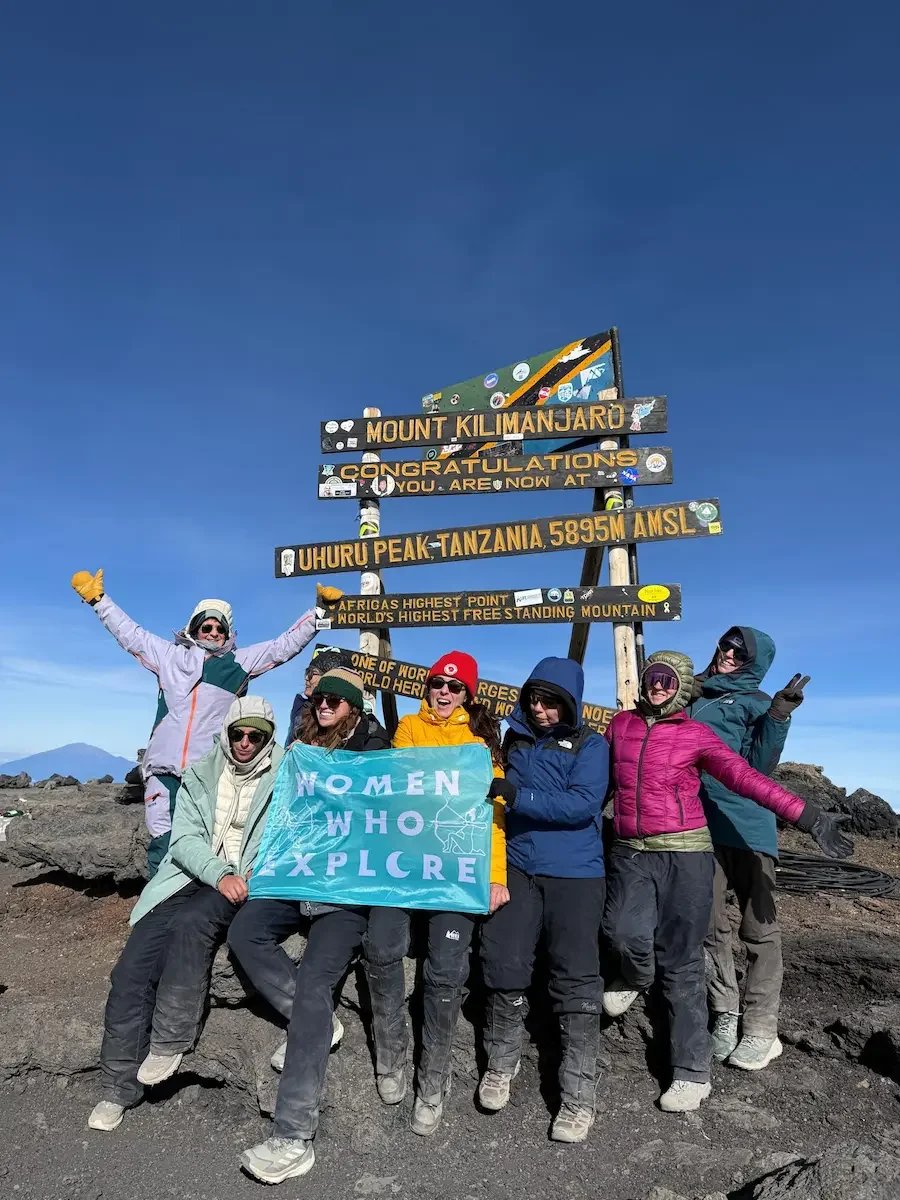
Planning to climb Mount Kilimanjaro? While most packing lists cover the obvious gear like boots, hiking poles, sleeping bags and the all-important non-cotton clothing, after summiting the world’s tallest freestanding mountain with Women Who Explore in September 2025, I’m here to share some less-obvious packing tips guaranteed to make your trek more comfortable and your summit more successful.
Keep your sinuses happy
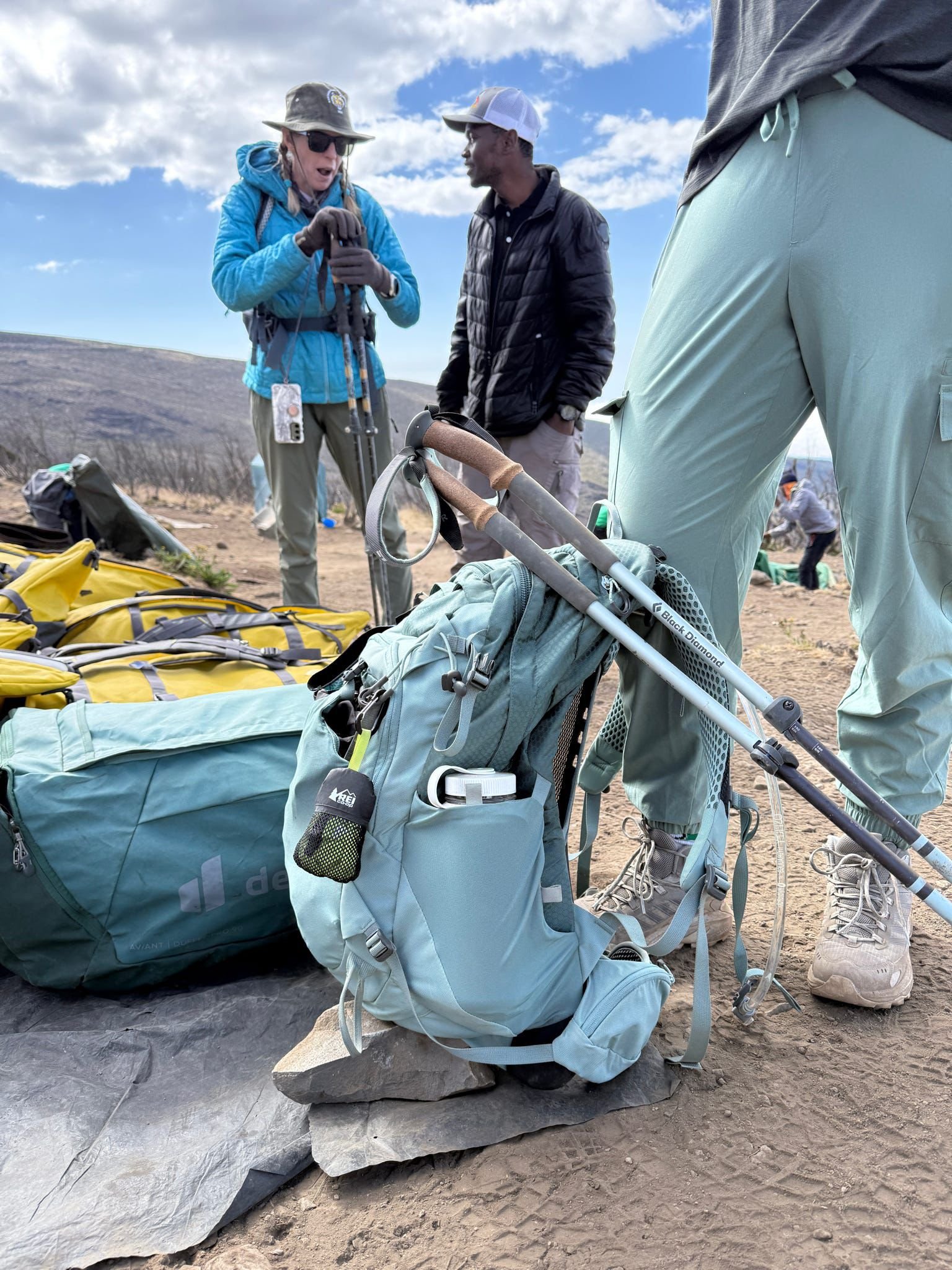
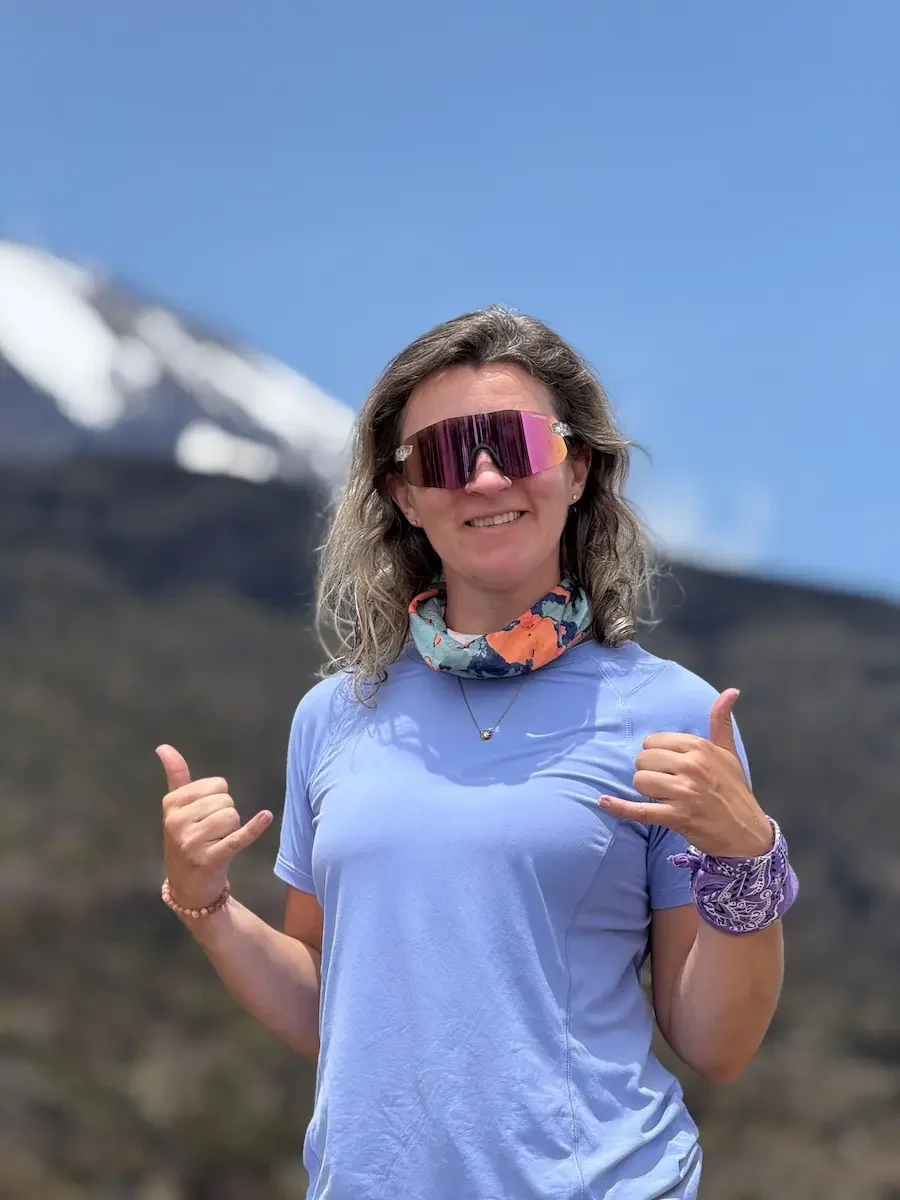
Even though your multi-day trek will start in the humid, dense jungle, the trail quickly gives way to much drier climates including the moorland, alpine desert and arctic zones, all of which can dry out your nasal passages. Combine this with the dust kicked up on the trail, and you’ll be grateful you carried a face mask or buffs. Not only can a mask or buff keep out some of the dust, but it also creates a humid micro-climate beneath the mask to keep your sinuses happier.
Between the dust and dry air at altitude, you’ll be blowing your nose a lot. Skip carrying the multiple packs of tissues – which ends up as trash to be carried off the mountain – and instead pack several soft bandanas to use as handkerchiefs.
A non-aerosol saline nasal spray was my saving grace as it kept my nasal passages moisturized in the thin, dry mountain air. And thank goodness my fellow trek participant gave me her spare tube of Aquaphor to soothe my chapped nose. I kept both items easily accessible in the hip pocket of my day pack along with lozenges which were a huge help.
Face mask/buff
Bandanas
Non-aerosol saline nasal spray
Small tube of healing ointment
Throat lozenges
Save your skin with SPF everything
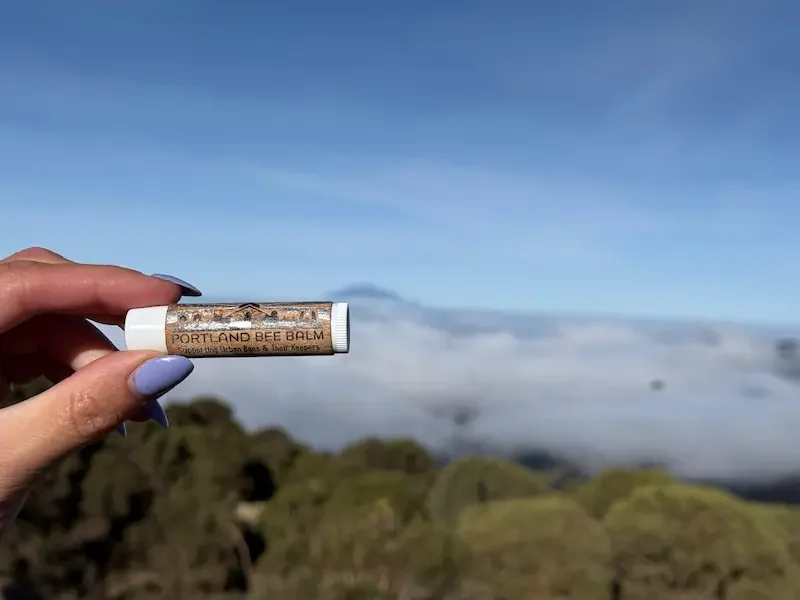
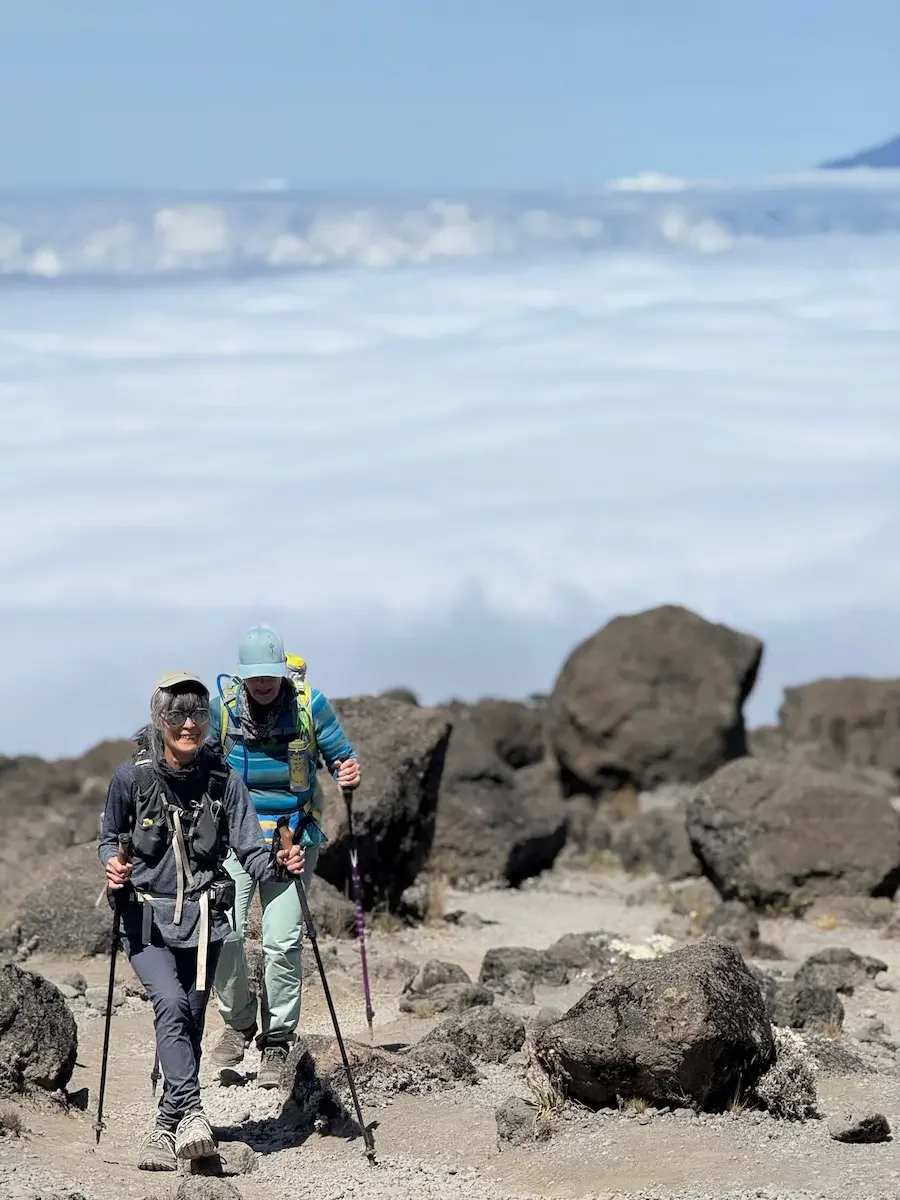
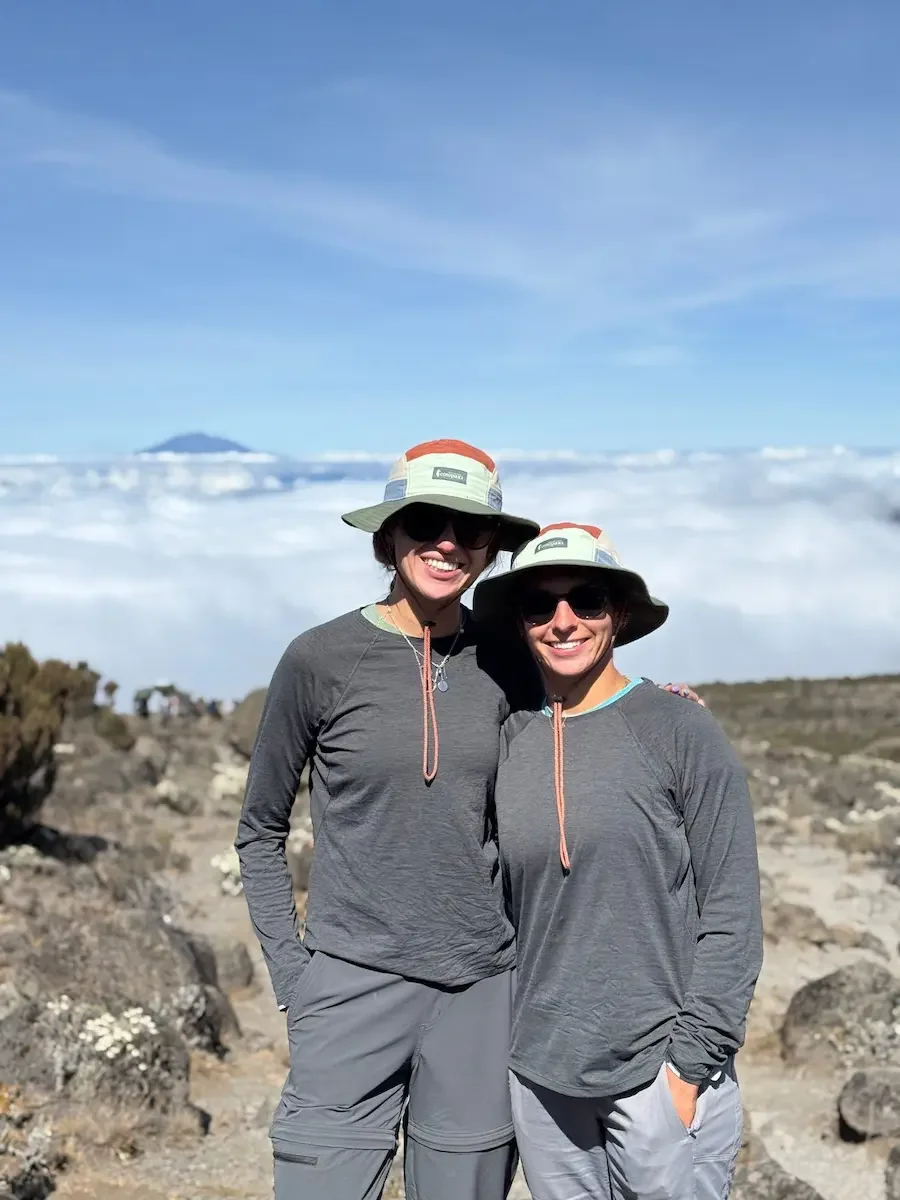
Did you know that for every 1,000 feet of elevation gained, UV radiation intensifies by roughly 4% to 6%. I’m no mathematician but given the fact that the summit of Kilimanjaro is 19,341 feet, that’s a recipe for serious sunburn. Even if you’re a sun-lover at sea level, don’t skimp on the sun protection for this trek. Non-aerosol sunblock, SPF lip balm, quality sunglasses, a wide-brimmed sun hat and a sun shirt with UPF protection are a must. I even added SPF finger-less gloves since my hands were more exposed while I used hiking poles. Shout out to my favorite local lip balm, Portland Bee Balm who donated their SPF lip balm to the women on my trip!
Non-aerosol sunblock
SPF lip balm
Quality sunglasses
Wide-brimmed sun hat
UPF sun shirt
Leave No Trace while taking a potty break
Given that you’ll be trekking for at least six hours each day, chances are you’re going to have to pee at some point. And if you’re on Diamox, a diuretic medicine frequently prescribed to treat altitude sickness, then you’ll be peeing even more than usual.
While plentiful boulders and outcroppings provide convenient cover for trailside pee-breaks, we encourage – no, we BEG you – to carry a Kula cloth, a reusable antimicrobial pee cloth designed for outdoor use. Kula cloths can be washed each evening at your campsite and avoid the need to carry or dispose of toilet paper, which sadly litters many off-trail areas.
If you’ve gotta go #2 mid-hike, we encourage you to treat Kilimanjaro as you would your favorite wilderness area back home and plan to pack it out. You can buy wag bags in advance or make your own. Just know that when you dispose of your wag bag back at camp, a porter will be carrying it down the mountain. Tip your amazing porters generously!
Kula cloth
Wag bags
“Always be cleaning”
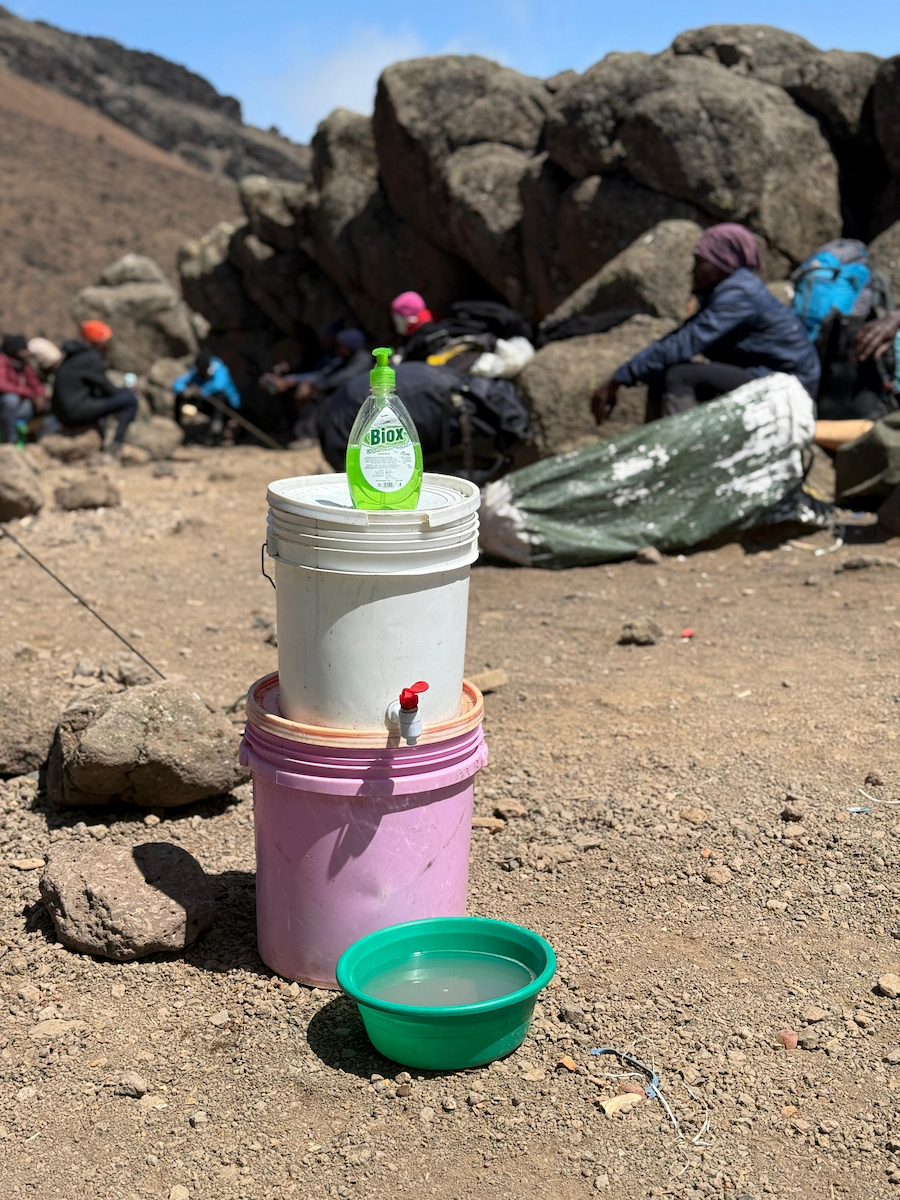
Our Kilimanjaro guides taught us an acronym for success on the mountain and while I won’t give it to you – you’ll have to go to Tanzania and learn the acronym for yourself – the “A” stood for “Always be cleaning.”
Hand sanitizer is essential! Bring more than you need. I had one bottle in the hip pocket of my day pack and another in the pocket of my jacket. Water is precious on the mountain, and you'll want to conserve it for drinking and cooking, so find your favorite hand sanitizer containing more than 60% alcohol and remember to rub your hands for at least 20 seconds.
Antibacterial wipes are also an option, but just remember that used wipes become garbage that one of your porters will have to carry down the mountain. Minimizing waste is not only good for the environment, but also for your crew too.
Hand sanitizer
Happy packing and even happier trekking!
While these items might seem minor compared to your bigger gear on your packing list, they address the specific challenges of Kilimanjaro's environment and I promise that they will help set you up for summit success.
Pole, pole (slowly, slowy), friends!
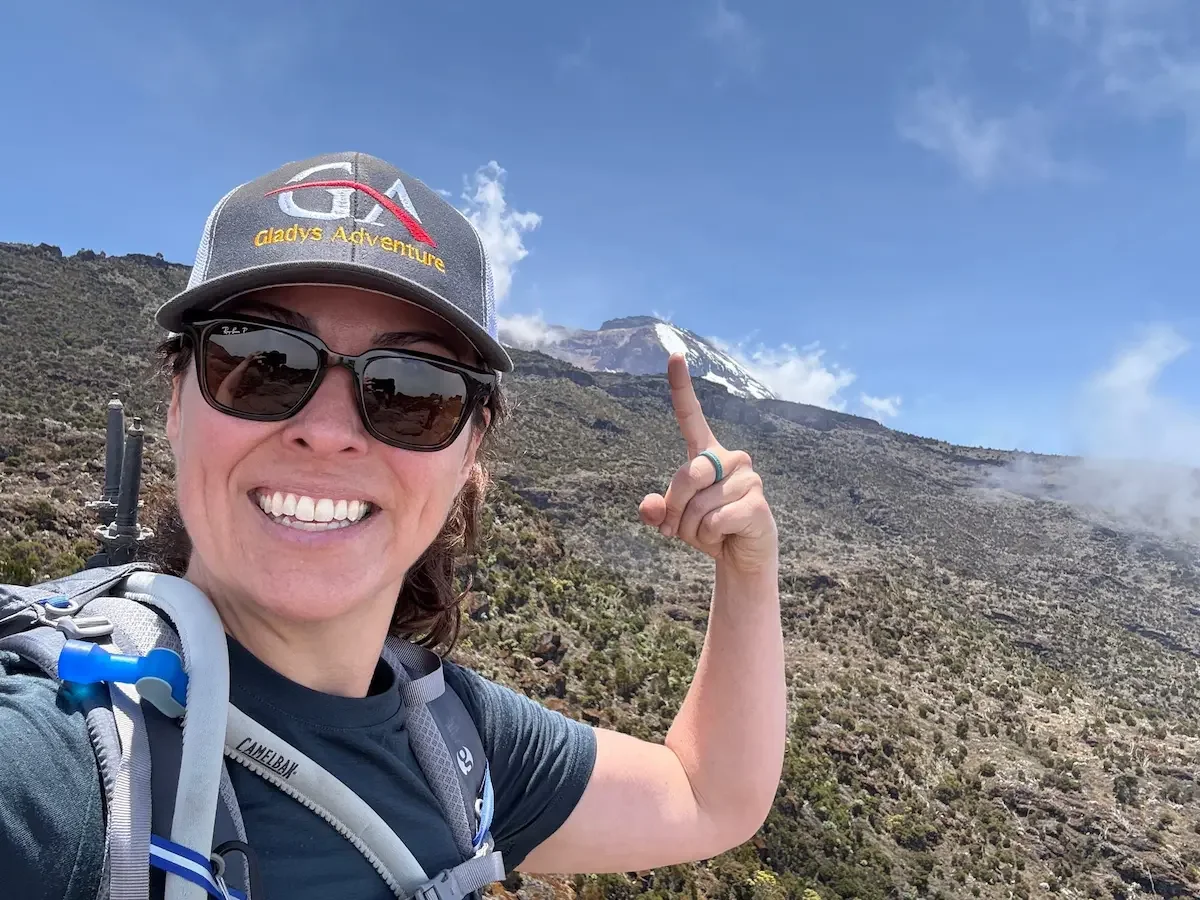
Blog written by Karrie Carnes, Trip Host and Ambassador
Karrie is a self-proclaimed “awe-seeker” and looks for wonder in her daily life. An explorer and conservationist at heart, she approaches her adventures with curiosity and loves to learn about the natural world and different cultures. Whether padding the Florida Keys or the San Juan Islands, or hiking the forested trails or alpine peaks of the Northwest, Karrie is at home in nature and always eager to adventure.
When she’s not hugging trees or crushing summits, she’s on her mat practicing and teaching yoga. Karrie (RYT-200) teaches heart-centered, alignment-focused yoga and enjoys modifying her sequences for all levels. She’s a believer in the healing power of mindfulness and breath work, and incorporates yoga philosophy into her daily life.
Connect with Karrie:
