
Where the Trail Ends: Inside Refugio Life
You’ve booked the bucket-list trek. You’ve convinced yourself you can handle the miles. You’ve joined the group chat, dialed in your gear, and committed to a training plan. The hiking will absolutely deliver—the challenge you signed up for paired with the views you’ve been dreaming about. But what about when the hiking ends for the day? When your boots are off, and your pack is finally set down—what are the accommodations like that everyone casually mentions in between hiking stories?
Refugios—also called mountain huts or tea houses depending on where you are in the world—are the soul of the trekking experience. The best way I can describe them? They’re a lot like summer camp… but for badass adults.
As a kid, I loved going away to summer camp. It felt bold and adventurous—leaving home, heading somewhere that felt far away (even if it wasn’t), spending all day outside, and ending the night on a bunk in a rustic cabin talking about everything and nothing with my new friends. Multi-day trekking and refugio life has that same energy, just earned a lot more.
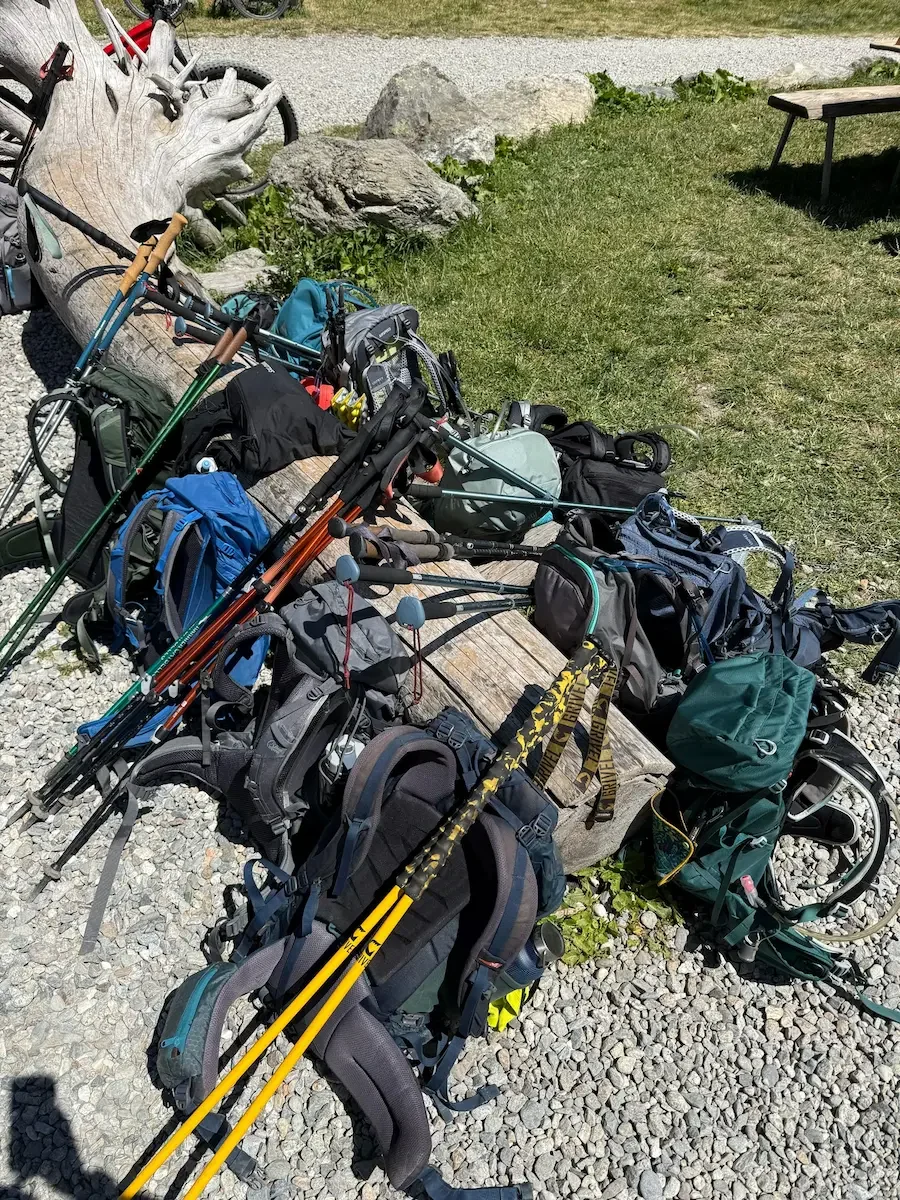
Every hiker dreads the line, “you’re almost there.” But when the refugio finally comes into view at the end of a long day, it hits differently. You did it. The miles are behind you. Outside the building, packs and tired hikers rest on anything they can find—each one a story of determination of how they got there. Muddy boots are off and left in a designated area—somehow telling the story of the day’s trail conditions without a single word.
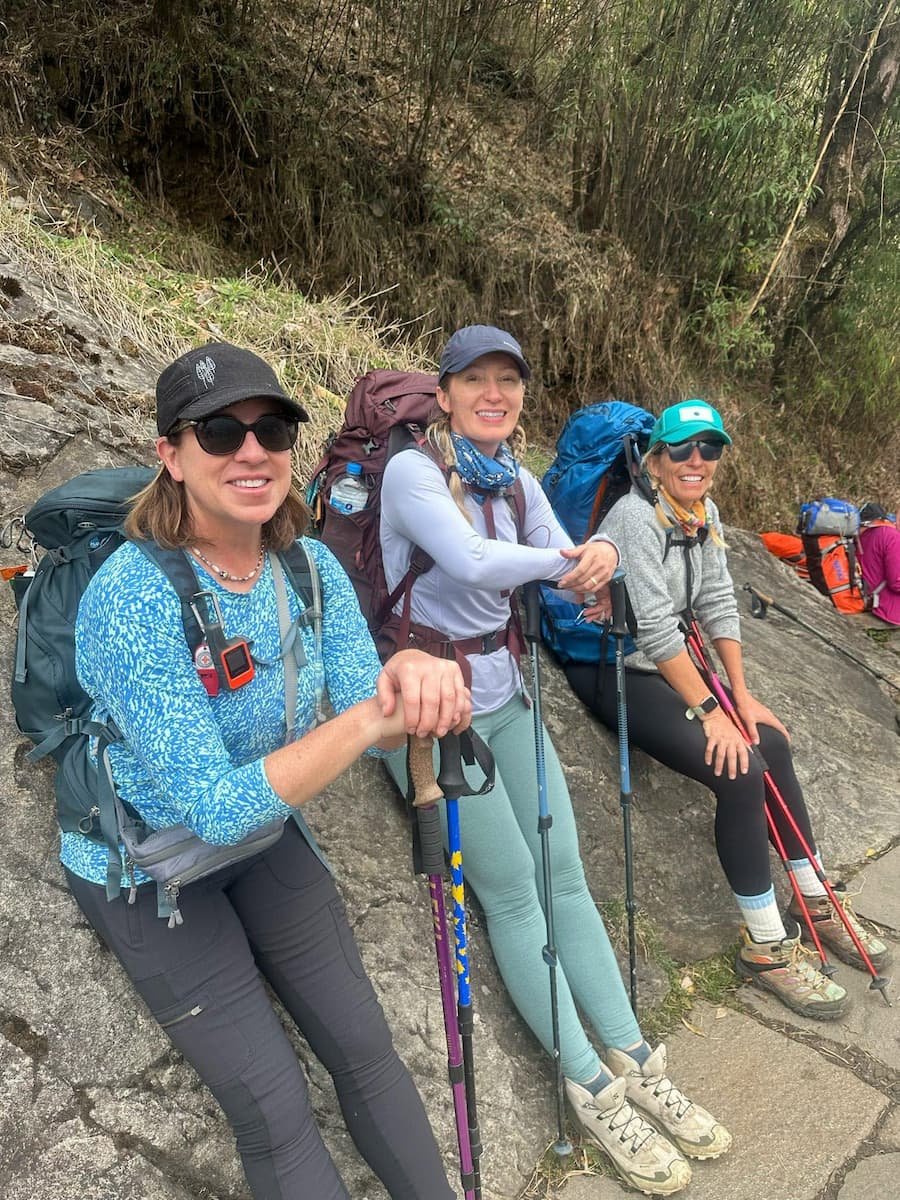
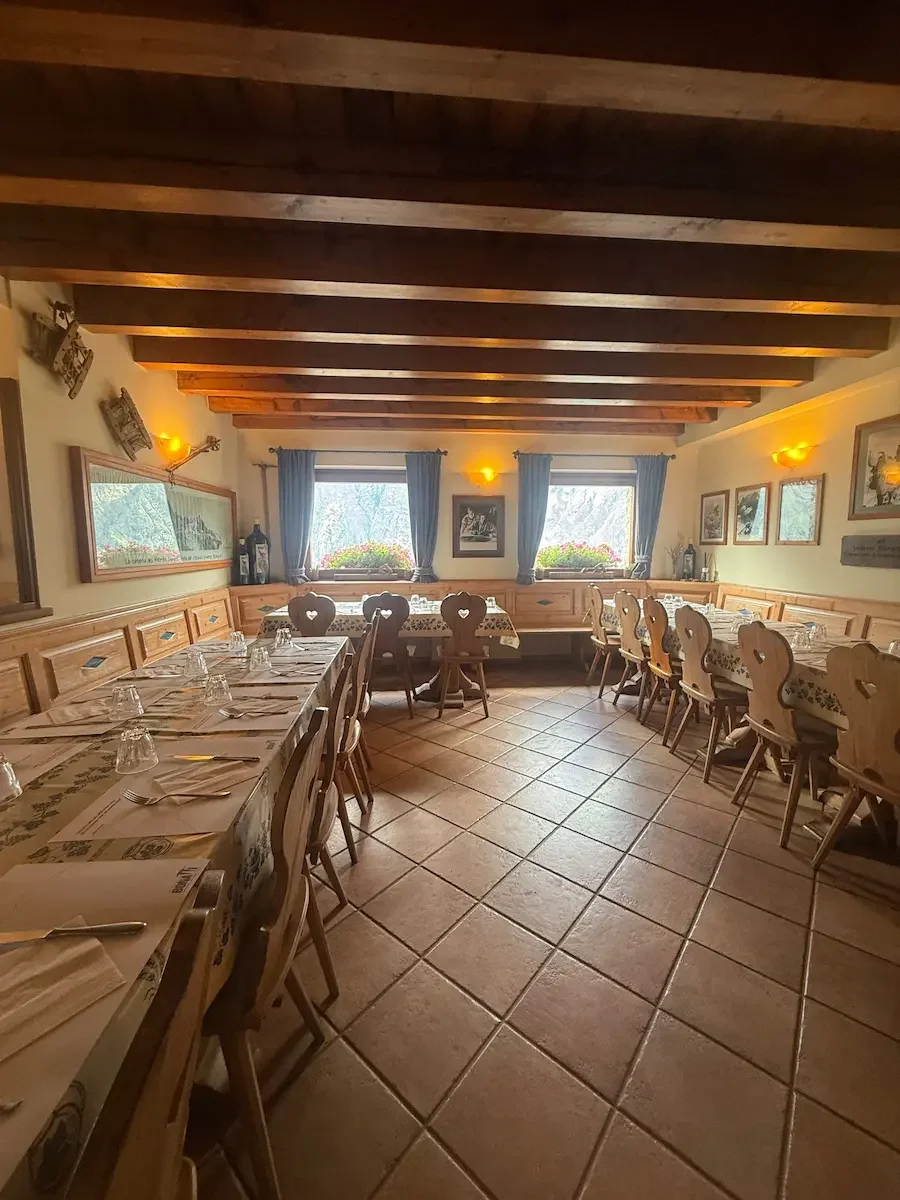
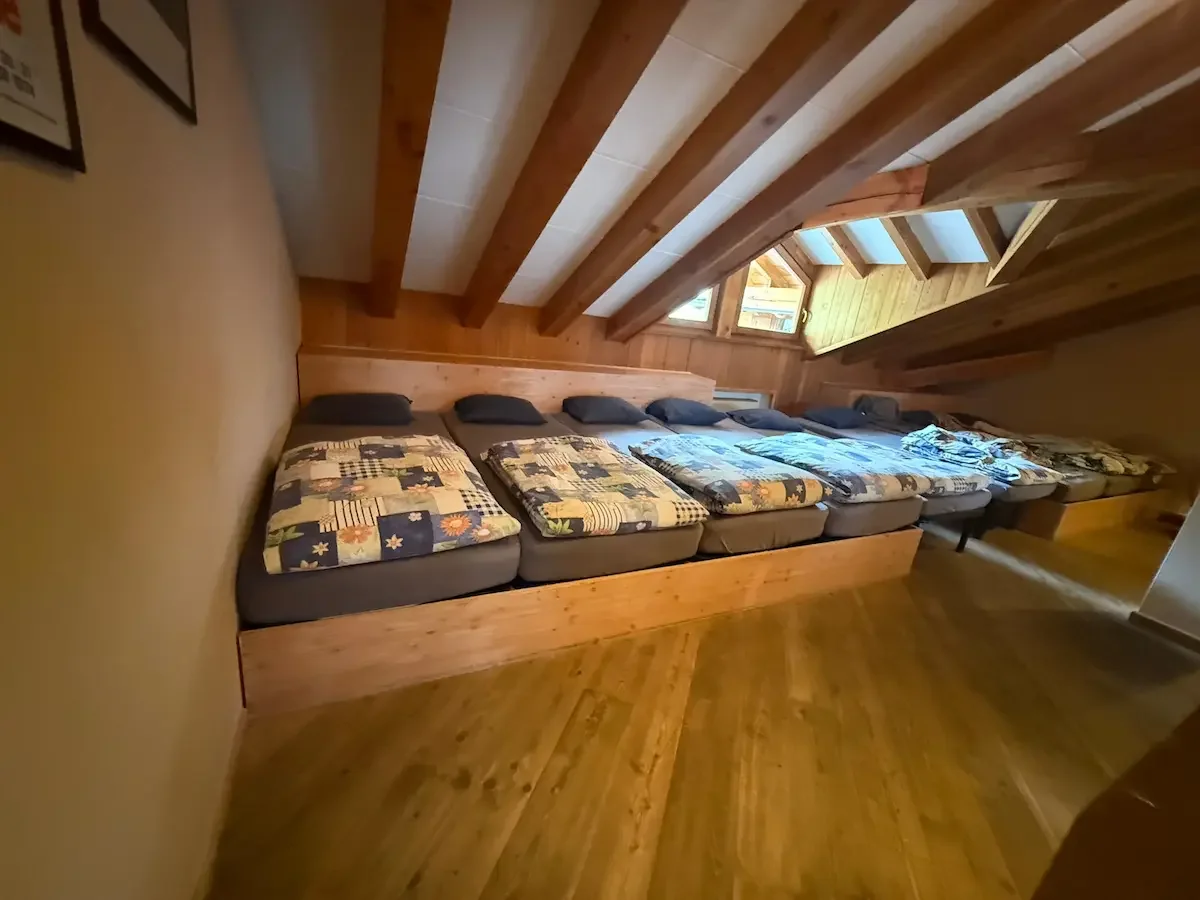
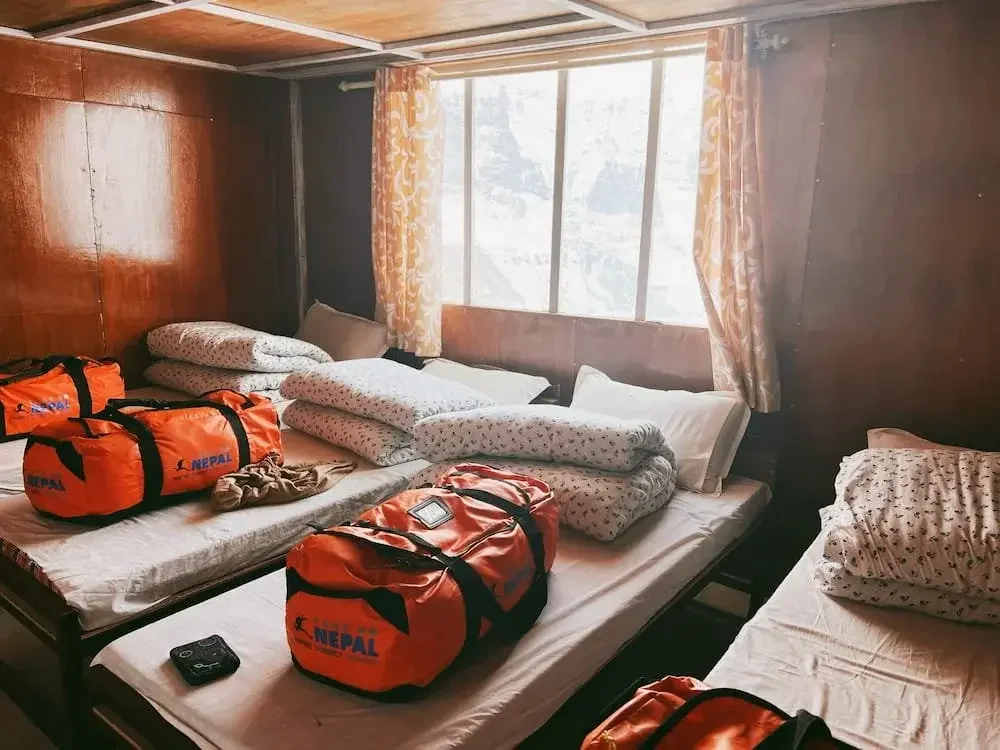
What’s it like inside a refugio?
The Vibe: Refugios are often full of hikers from all over the world, each with the same goal to rest, refuel, recover, and do it all again tomorrow. There’s an unspoken understanding that connects everyone. A vibe of camaraderie. A shared “we’re all in this together” energy that makes it easy to strike up a conversation or offer help without hesitation.
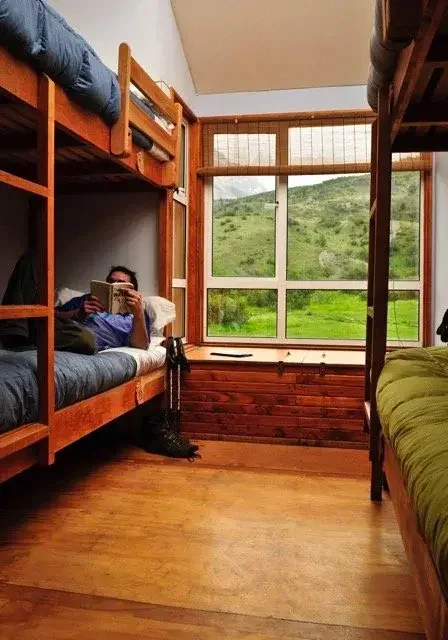
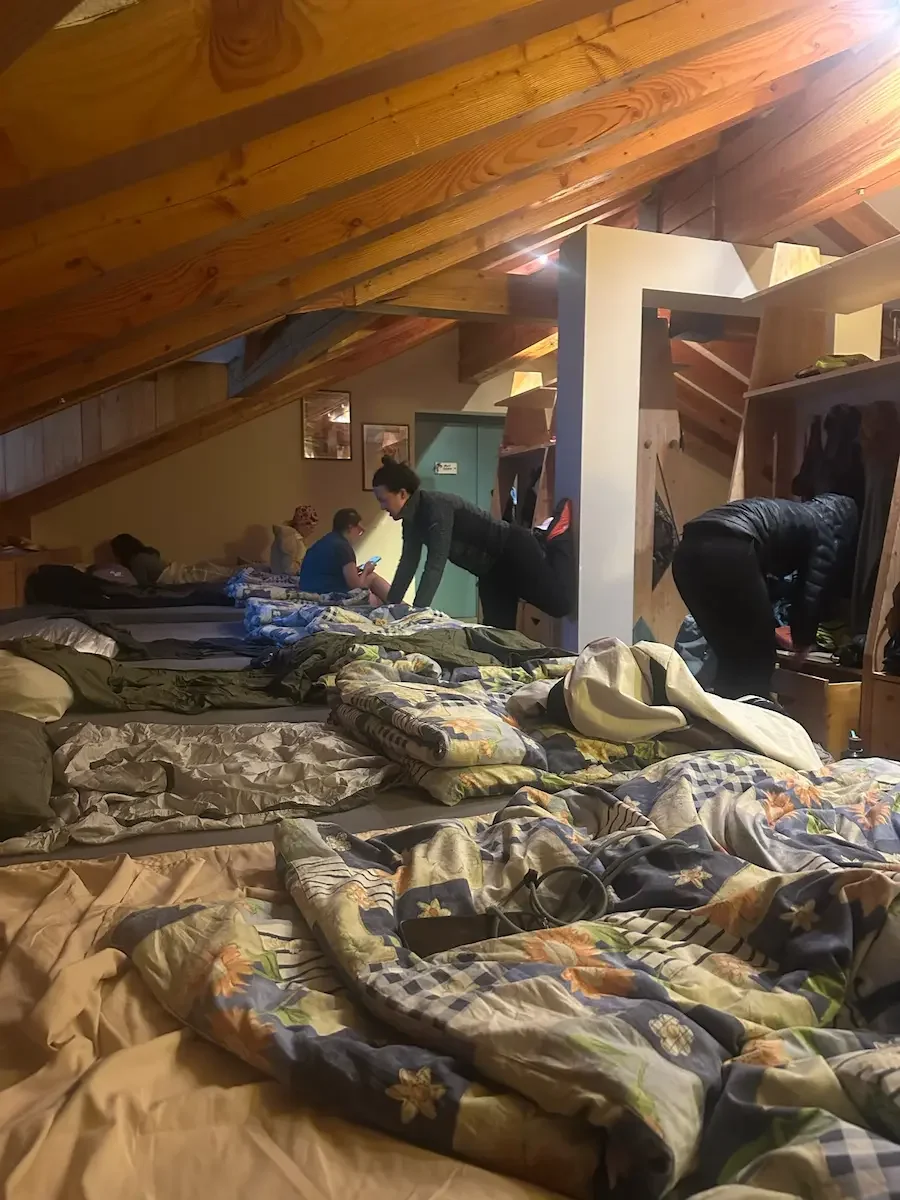
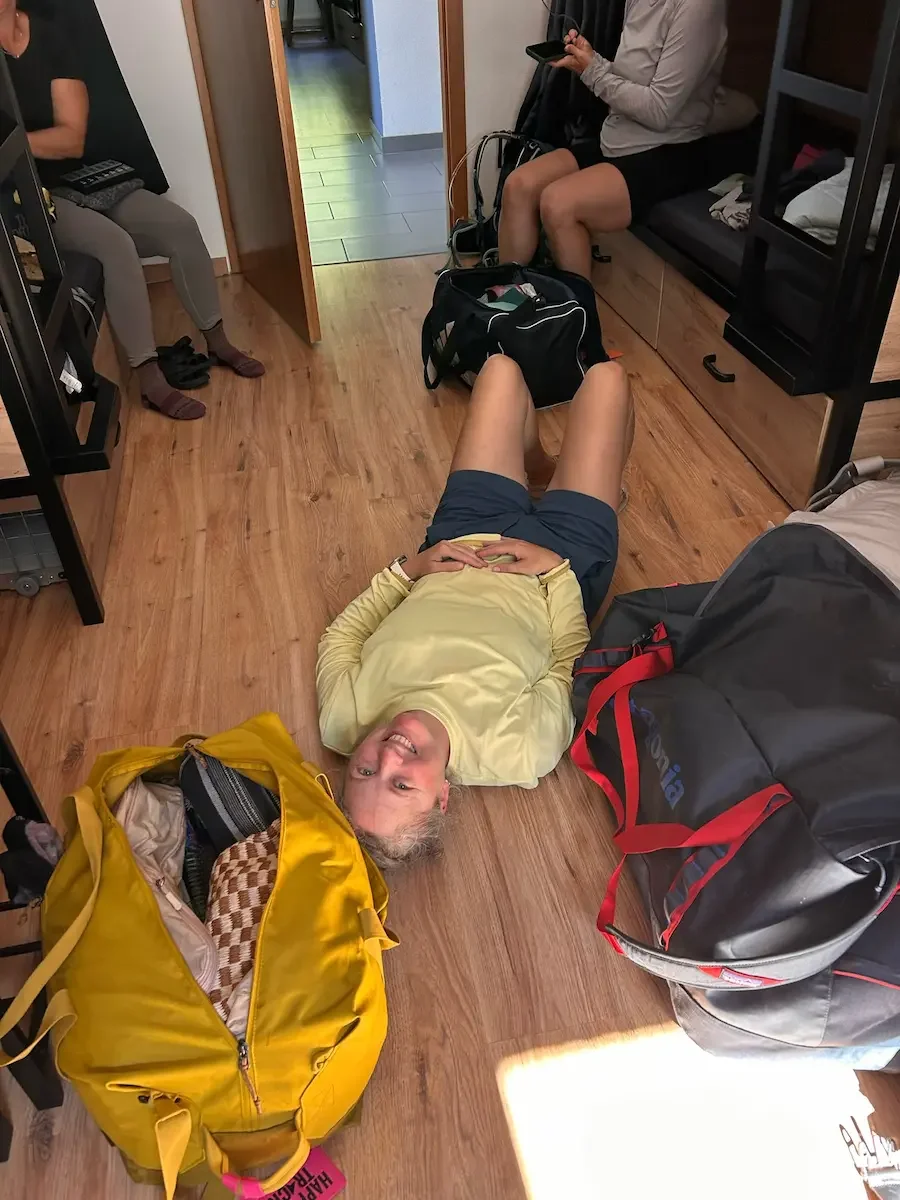
The Sleeping Quarters: They’re simple, shared, dormitory-style spaces—rows of bunk beds in rooms accommodating anywhere from two to twenty hikers. There’s minimal room for gear. Maybe a small cubby, a hook, or a narrow shelf near your head. No closets or drawers—because no one carries more than they need, and no one stays long enough to unpack. If you’re lucky, there’s an outlet nearby, and it becomes prime real estate. After a long day on the trail, everything feels like luxury.
The Bathrooms: Usually down the hall—or sometimes in a separate building entirely. A handful of sinks, toilets, and showers are shared by everyone. It seems impossible that it works… but it does. Common courtesy becomes second nature. You move a little quicker, you make space, you adapt. And when hot water is available, it feels less like a basic amenity and more like a reward to be savored.
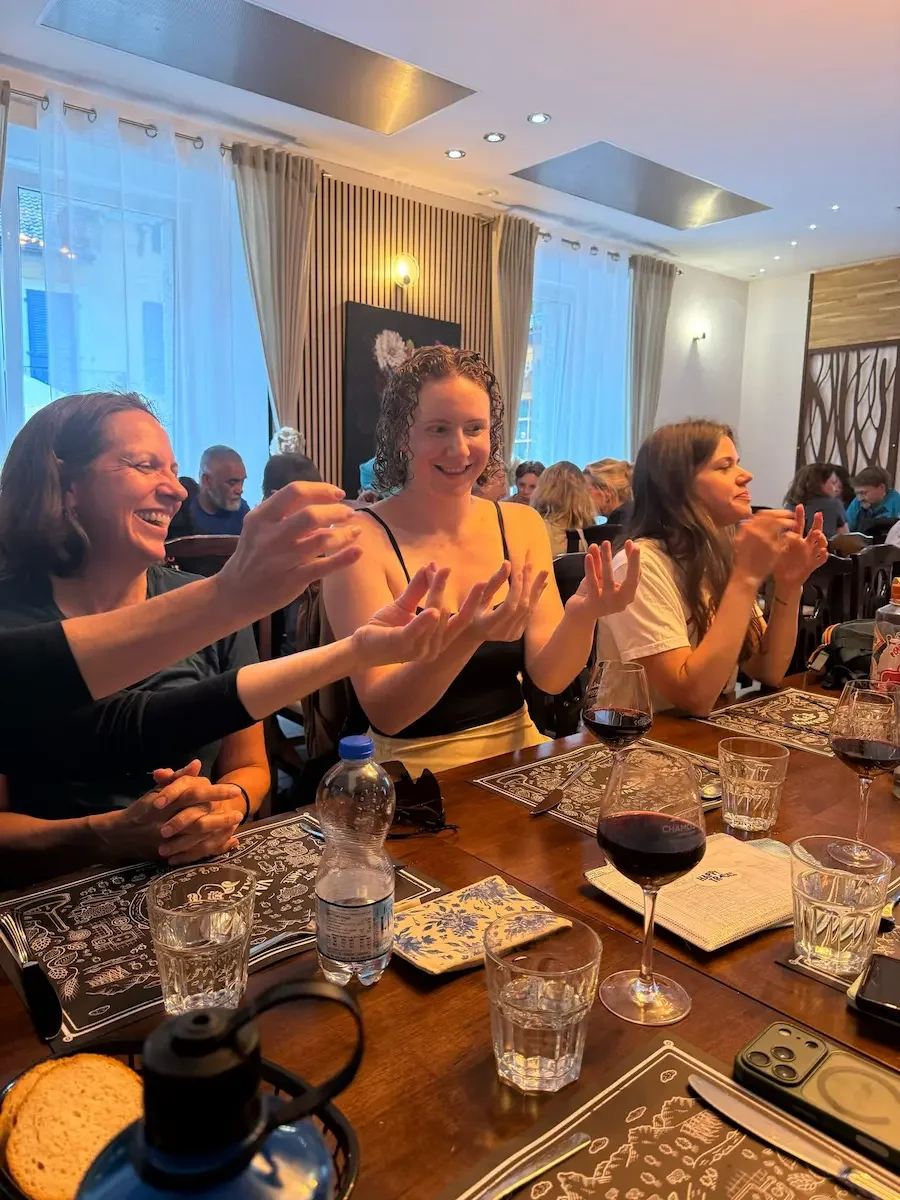
The Dining Room: It’s the heartbeat of the refugio. Long, communal tables fill a big open space with windows framing your journey. Meals are simple, hearty, and somehow taste better than anything you’d make at home. Conversations fill the air as languages from all over the world overlap with hikers sharing stories, trading tips, and offering encouragement. There’s often a round of beers, or maybe a glass of wine, or perhaps a local drink you’ve never tried before. And for a little while, everyone just exists together in a shared moment of accomplishment and recovery.
Refugio life is a big part of why multi-day trekking feels so special. It’s not just about the hiking—it’s about the people, the shared experience, and those in-between moments at the end of the day. When you finally reach that simple oasis, just remember—you’re exactly where you need to be. Refugios have a humbling way of teaching you that less is more… and somehow, it all adds up to something richer. Turns out, I never really outgrew my love for summer camp. It just looks a little different now—and comes with better views.
Refugio Do’s:
Do leave boots in the designated area; never wear them inside the living or sleeping areas.
Do bring clean "camp shoes" (like Crocs or Tevas) for walking inside the hut.
Do bring a sleeping bag liner: Mandatory at most huts for hygiene, as blankets/duvets aren’t always washed between guests.
Do respect posted quiet hours: Be silent, use a red light on your headlamp, and avoid rustling gear if arriving late or leaving early.
Do be prepared for snoring: You are sleeping in a shared space so bring ear plugs.
Do keep your area neat: Keep your gear organized and contained to avoid obstructing others.
Do bring local currency: Many remote refugios do not accept credit or debit cards.
Do be on time: Meals are served at fixed times, and if you’re late, you may miss it.
Do tie boot laces together: To avoid losing your boots among many look-a-like pairs, tie the laces of your hiking boots to your friend’s.
Refugio Don’ts:
Don’t set an alarm: If you must, put your phone on vibrate.
Don’t hog the outlets: Everyone wants to charge their devices too.
Don’t overstay your welcome in the bathroom: Do not use sinks for laundry or long grooming routines when others are waiting to brush teeth.
Don’t take long, hot showers: Many showers are coin-operated and meant to be very short.
Don’t use loud electronics: Keep phones on silent and use headphones.
Don’t leave trash: Pack out everything you pack in.
Don’t panic over no signal: Many huts have limited cellular service or internet.
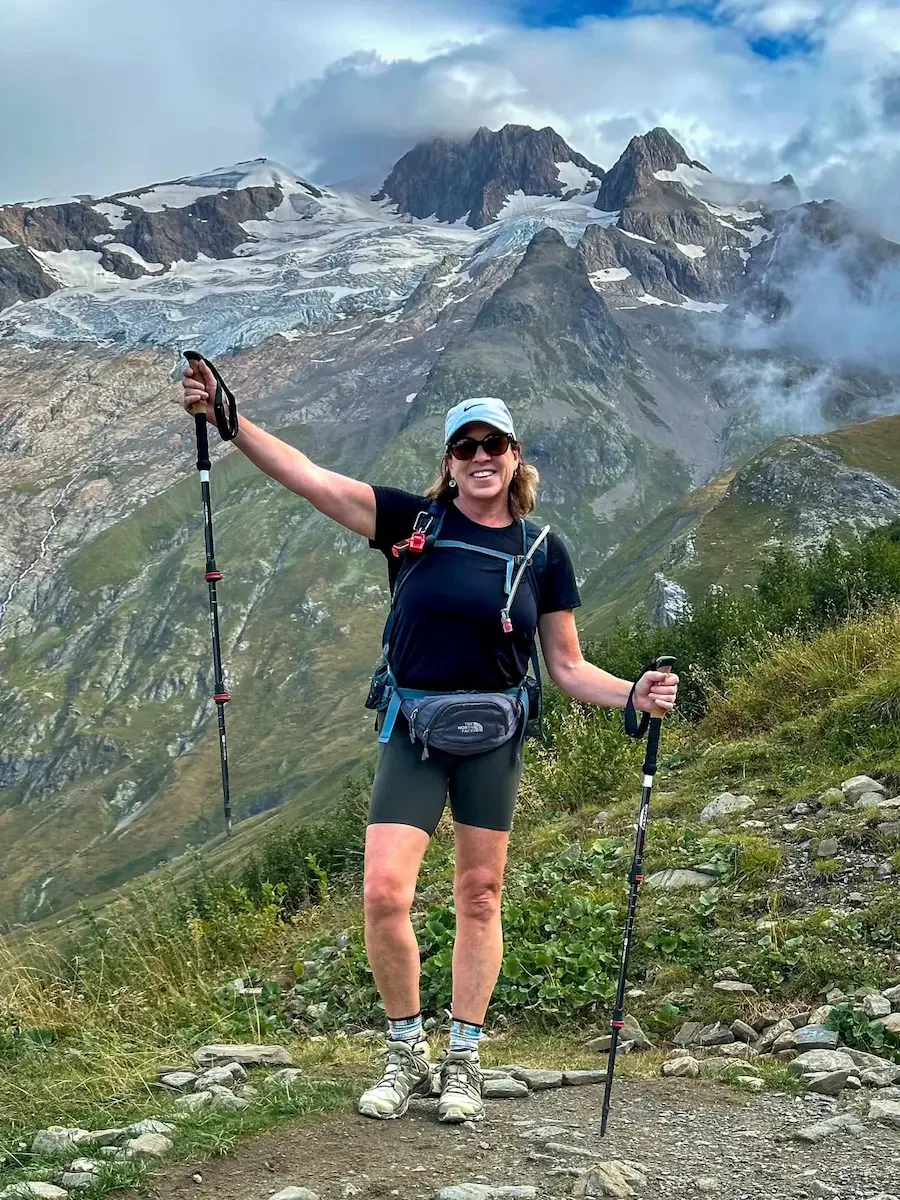
Blog written by Lisa Chambers, WWE trip host and ambassador
Lisa first became involved with Women Who Explore in 2018 when she took a leap of faith and boarded a plane bound for Iceland. Since becoming an ambassador in 2020, she has been dedicated to encouraging women to step outside their comfort zones, embrace nature, and seek adventure.
Her love for the outdoors has taken her across all 50 states and to more than 40 countries, with each journey deepening her passion for exploration. When she’s not traveling, Lisa calls the northwoods of Minnesota home, where she enjoys hiking, chasing waterfalls, downhill skiing, mountain biking, and following the road less traveled.
Connect with Lisa:
📸 Follow her adventures on Instagram
🌲 Join her local WWE Minnesota Facebook group
